Salt Torquay
View Full Width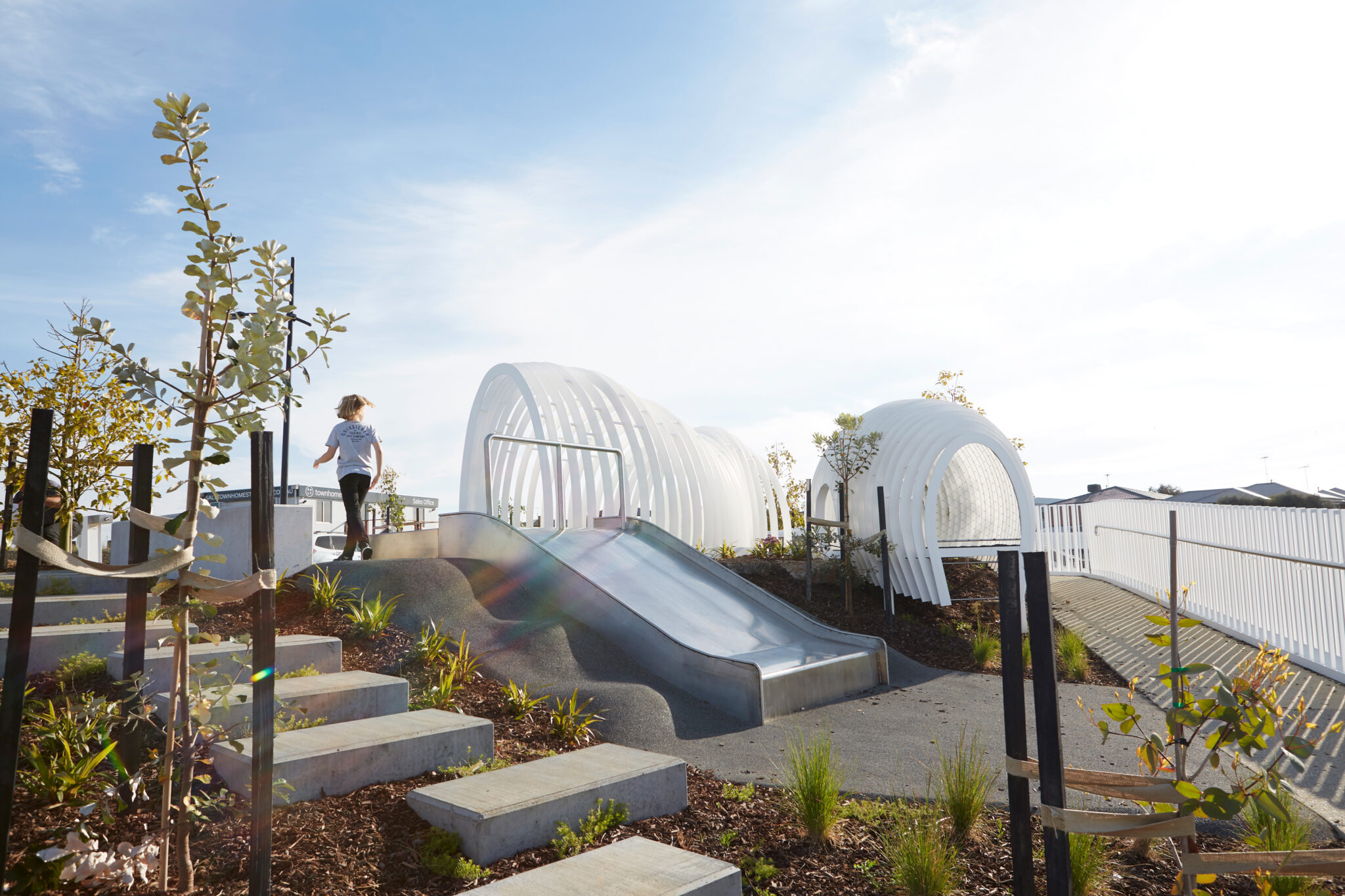
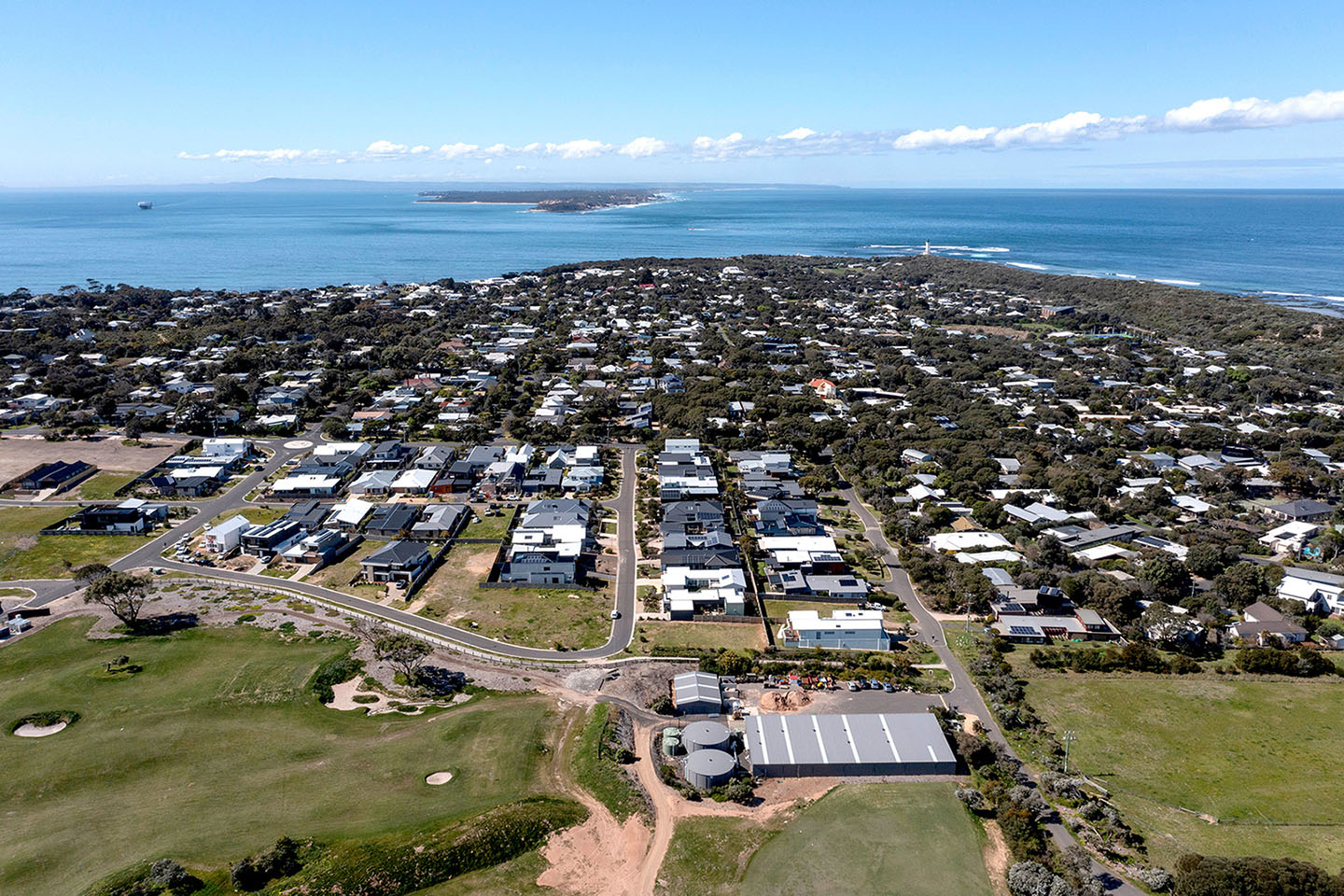
Spiire’s local Geelong team provided multidisciplinary services for Barwon Water to deliver Salt Torquay, located at the site of a former water basin.
Services
Civil Engineering Construction Consultancy Landscape Architecture Surveying and Spatial Town Planning Water Engineering
Client
Barwon Water
Location
Geelong, VIC
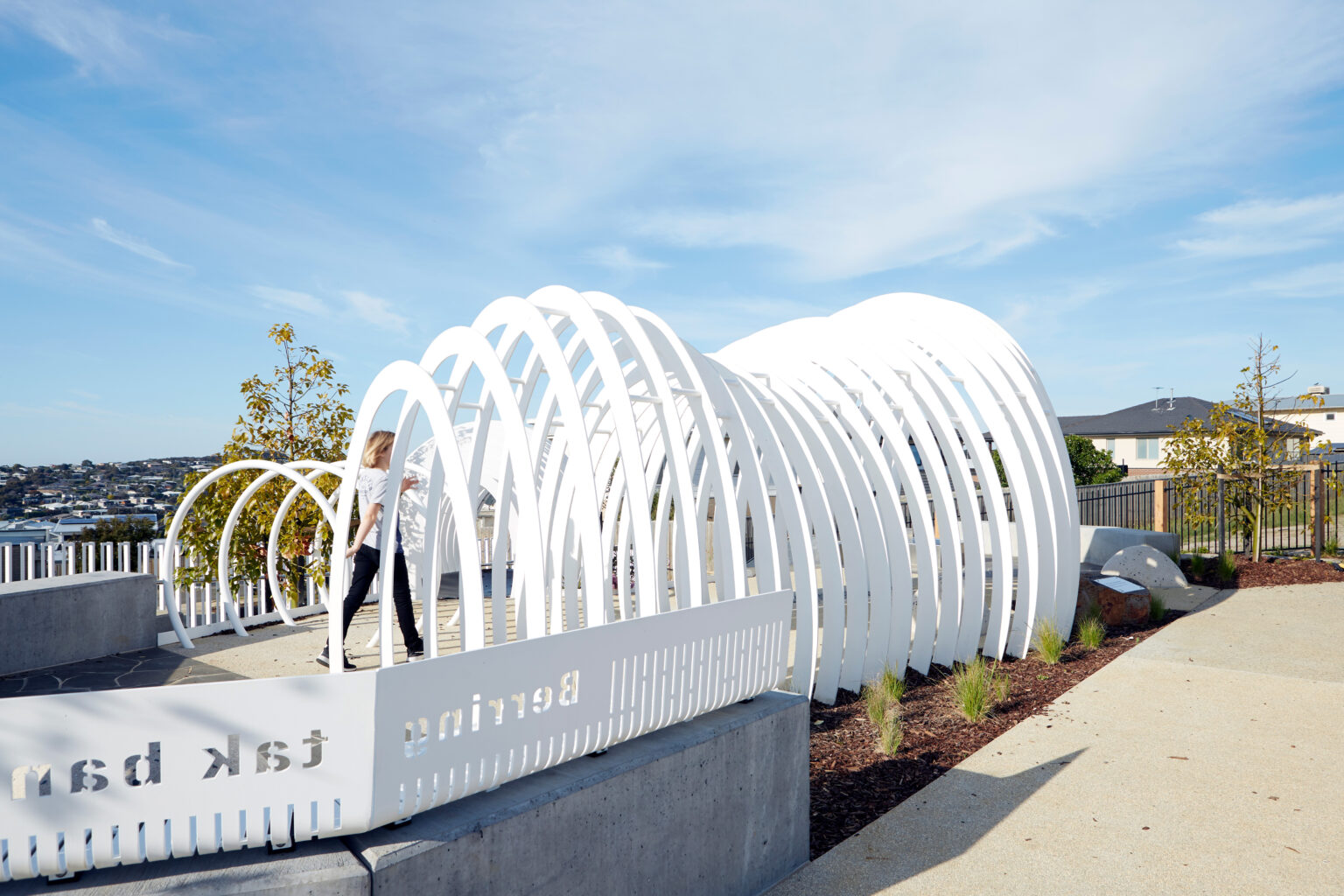
Our involvement with the Salt residential community dates back to the initial concept for revitalisation of the former Torquay Basin.
Spiire was initially engaged by Barwon Water to investigate opportunities for the development of surplus sites across the Greater Geelong region.
As longstanding local consultants, we applied our sound appreciation of the region’s development context, and the combined knowledge of our multidisciplinary team, to consider potential future land uses to unlock value for both our client and the local communities.
Our recommendations considered the constraints and viable options for each individual site, informed by our scope of expertise across Civil Engineering, Landscape Architecture, Water Engineering and Town Planning.
We identified multiple opportunities, from a 3-lot subdivision through to significant public amenities and multistage residential property developments.
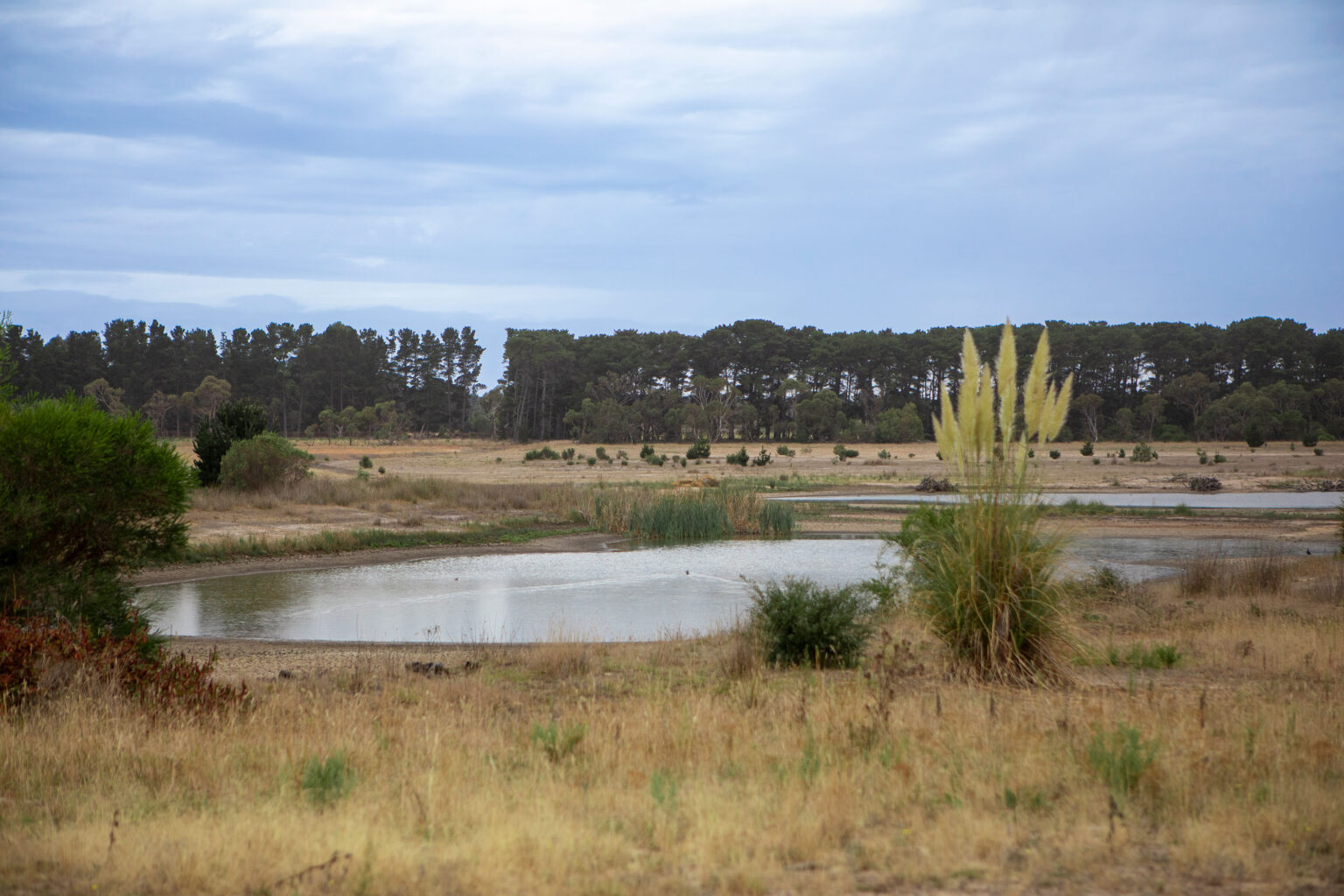
Notably, these included two decommissioned water storage basins in Torquay and Wallington. We subsequently worked with Barwon Water to transform these disused basin sites into the Salt residential community and Murrk Ngubitj Yarram Yaluk, an environmental and public open space.
Realising sustainability ambitions
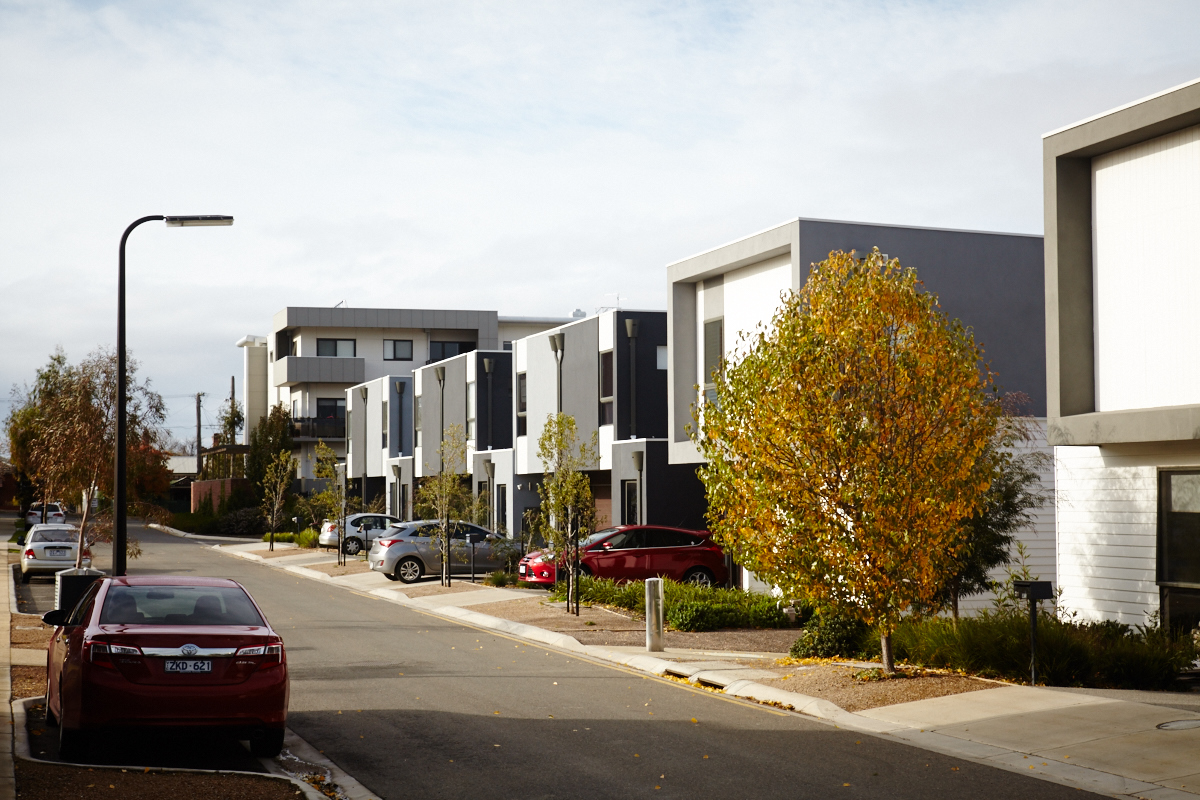
The former Torquay Basin on Grossmans Road is now home to Salt, a boutique residential community recognised under the One Planet Living framework, which includes a mix of single and medium-density homes and community spaces.
Experts from our in-house disciplines joined forces to develop creative solutions for the 7.5-star housing development, including a design centred on sustainable water management, sustainable energy production and consumption, and interventions that encourage community engagement and sustainability awareness.
Given the project’s sustainability ambitions and existing constraints of the brownfield site, our client engaged Spiire for our multidisciplinary approach.
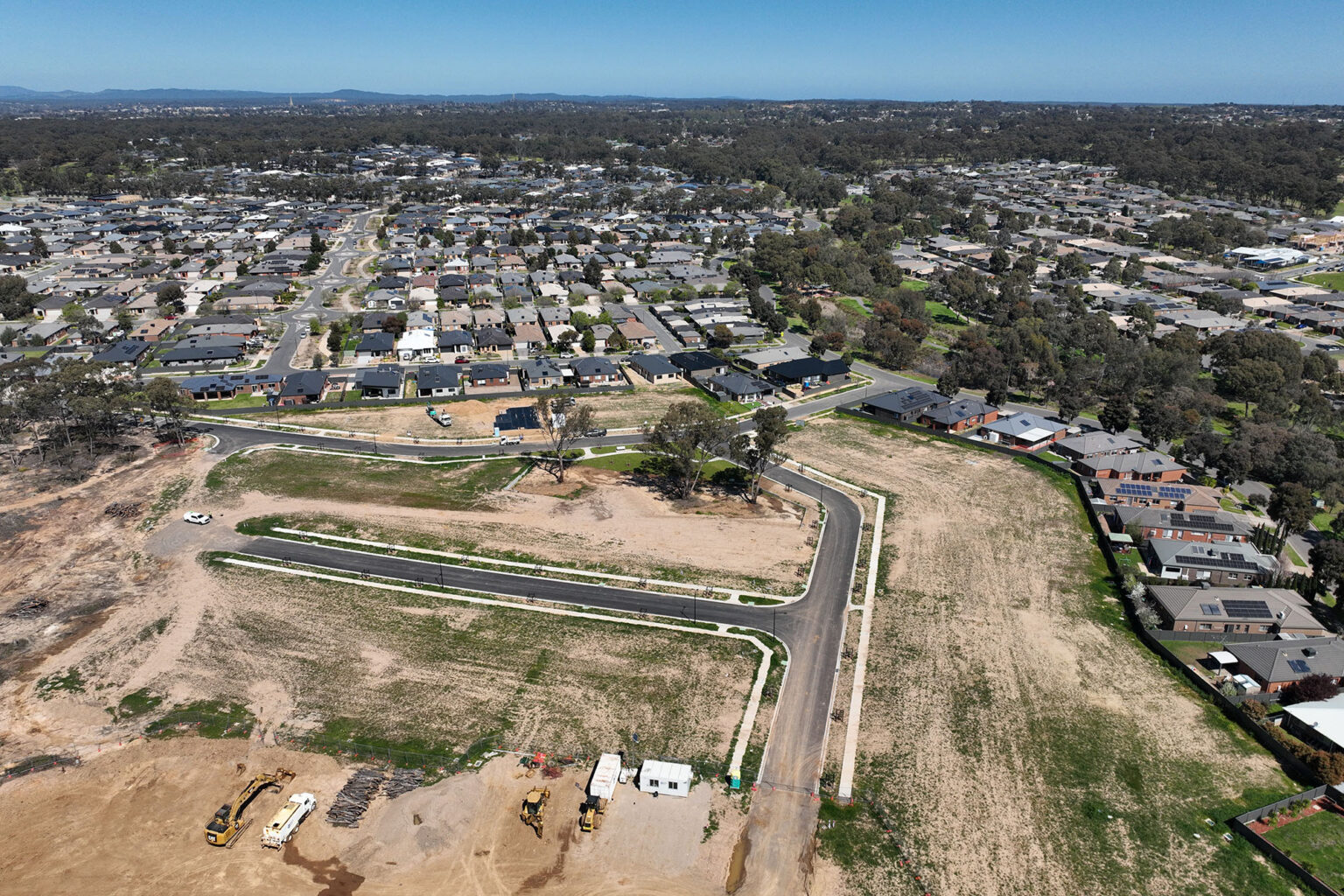
One of the challenges was retaining existing materials on site, while remediating the decommissioned basin, to transform it into usable residential land.
Our team also worked together to maximise the solar orientation and lot yield. We oriented entry roads to provide expansive views to the Southern Ocean for all residents as they return home for the years to come.
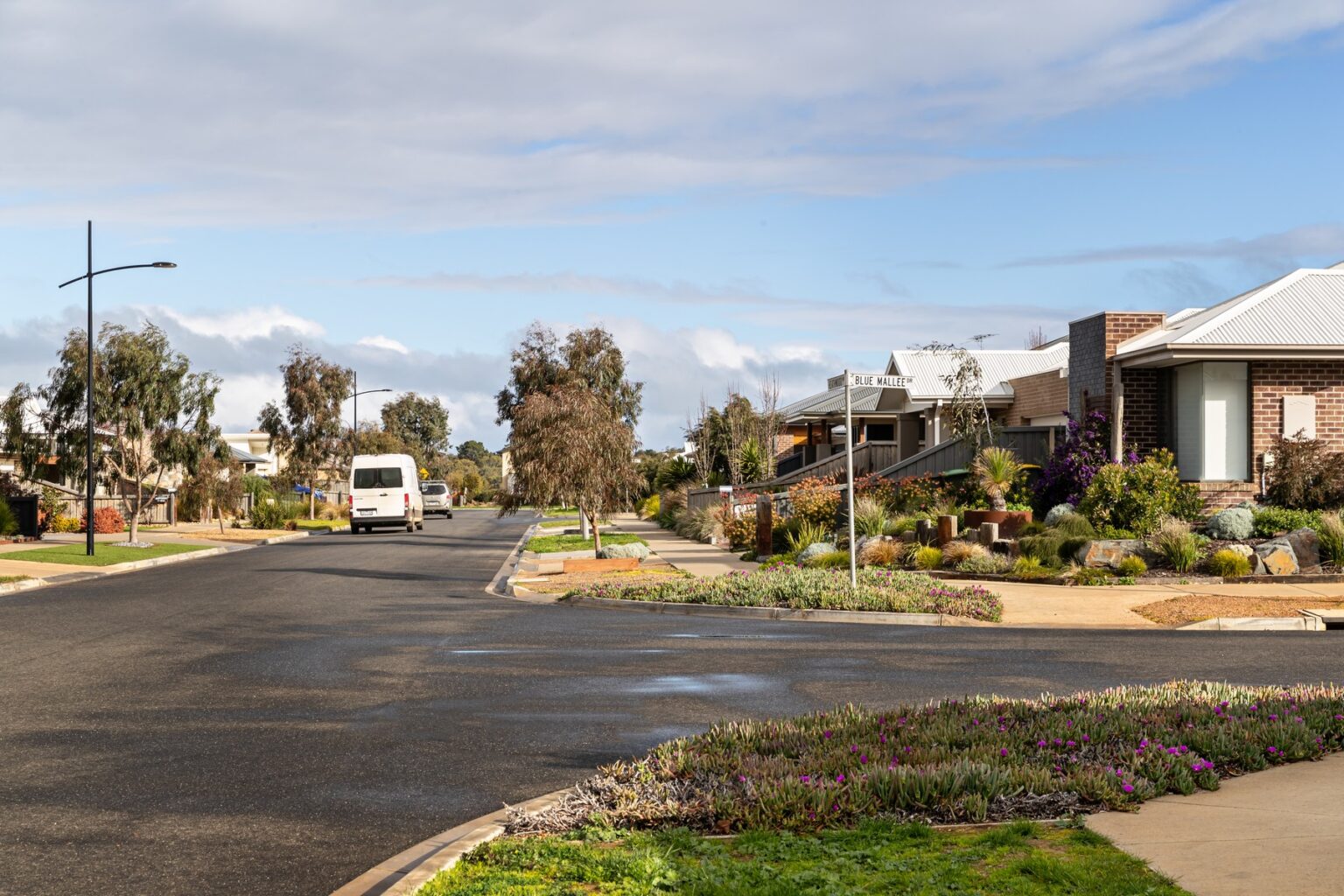
We stretched the boundaries of water quality management by introducing raingardens for stormwater treatment within basins the streetscape to provide passive watering to the native landscape. This was integrated with design guidelines to implement permeable pavement for driveways.
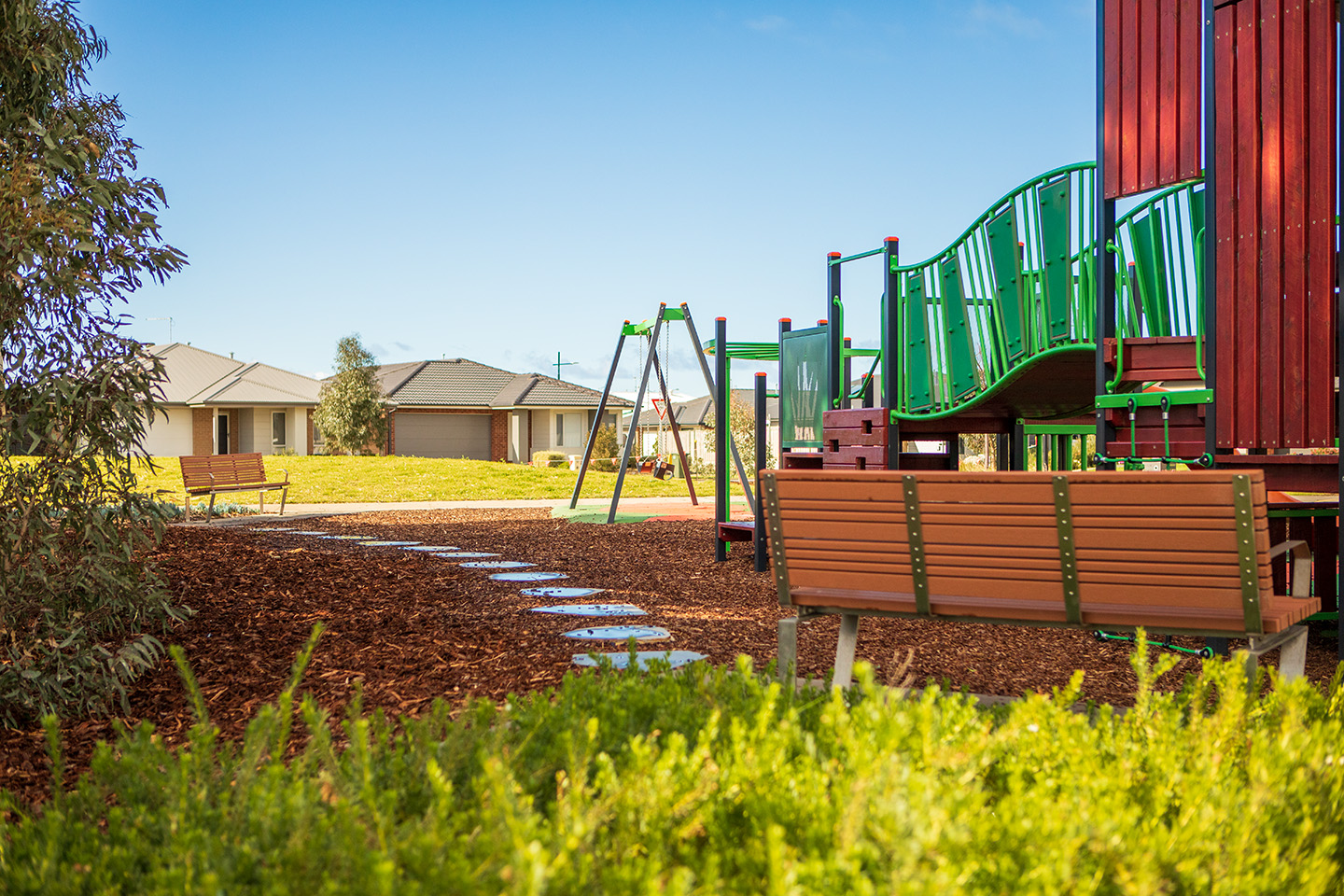
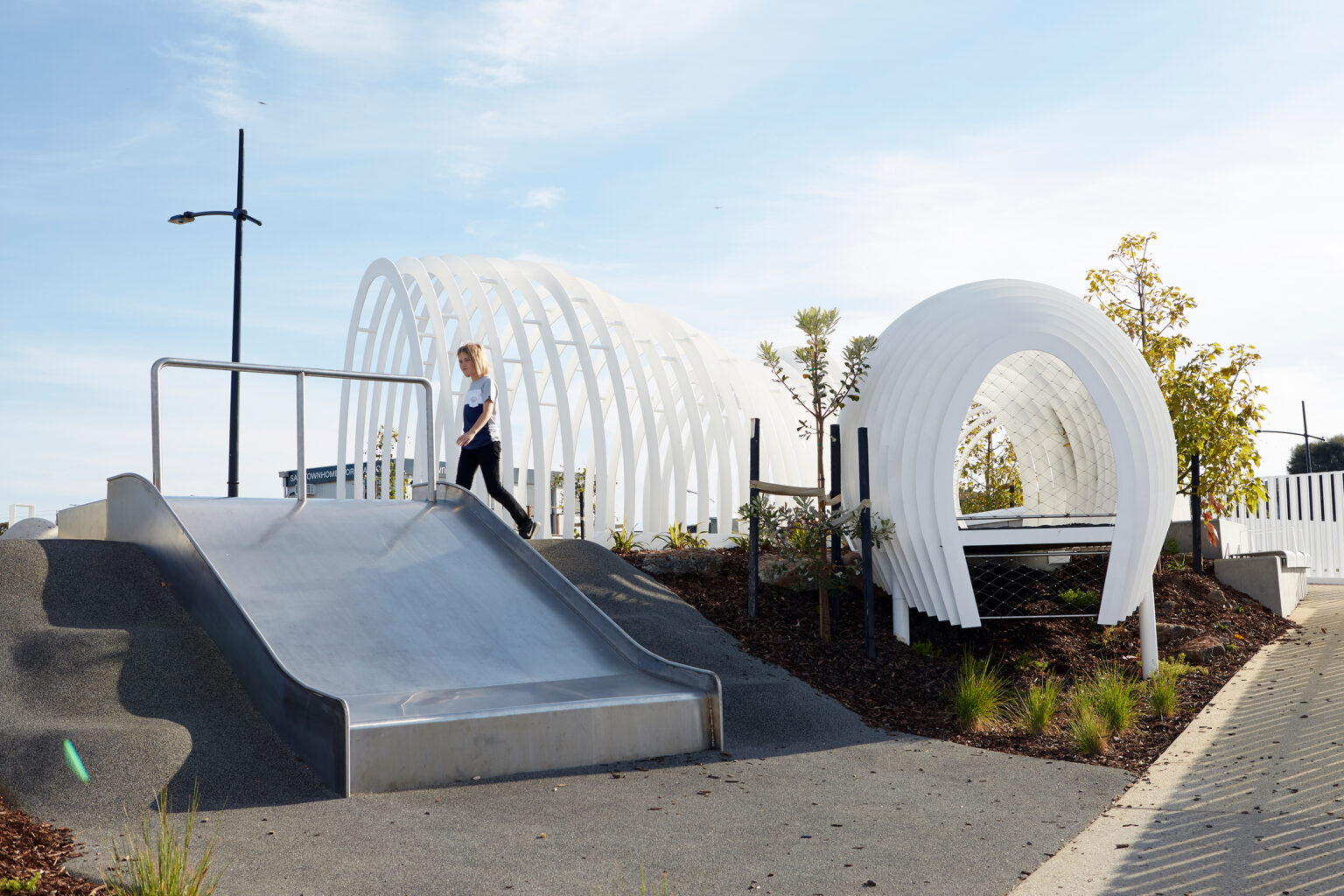
A concept previously unacceptable to Council, Spiire worked closely with them to create a useable space within the site’s retarding basin that linked to an immediately adjacent play space. We achieved this with a striking staircase providing passive access to the basin, with turf cells to allow for useable open space in what would otherwise be a flood encumbered open space.
The energy cycle was extensively workshopped and while an alternate embedded network was not able to be achieved, a solar offset site on the neighbouring Barwon Water site and design guidelines, including developer partnership with solar and battery providers, facilitated a significant positive environmental impact to the ongoing energy usage for the new community.
The overarching vision was to achieve an environmentally sensitive design that strongly reflects the local coastal character, references the connection to water and subtly guides users through the site from an orientation and design implementation perspective.
Artistic interventions addressing water, environment and heritage are further described in subtle ways through the site and within the entrance and sculptural elements. Of significant importance within the design of all sculptural elements is reference to the Aboriginal connection to water, the coast and indigenous planting.