Peter Hopper Lake Revitalisation
View Full Width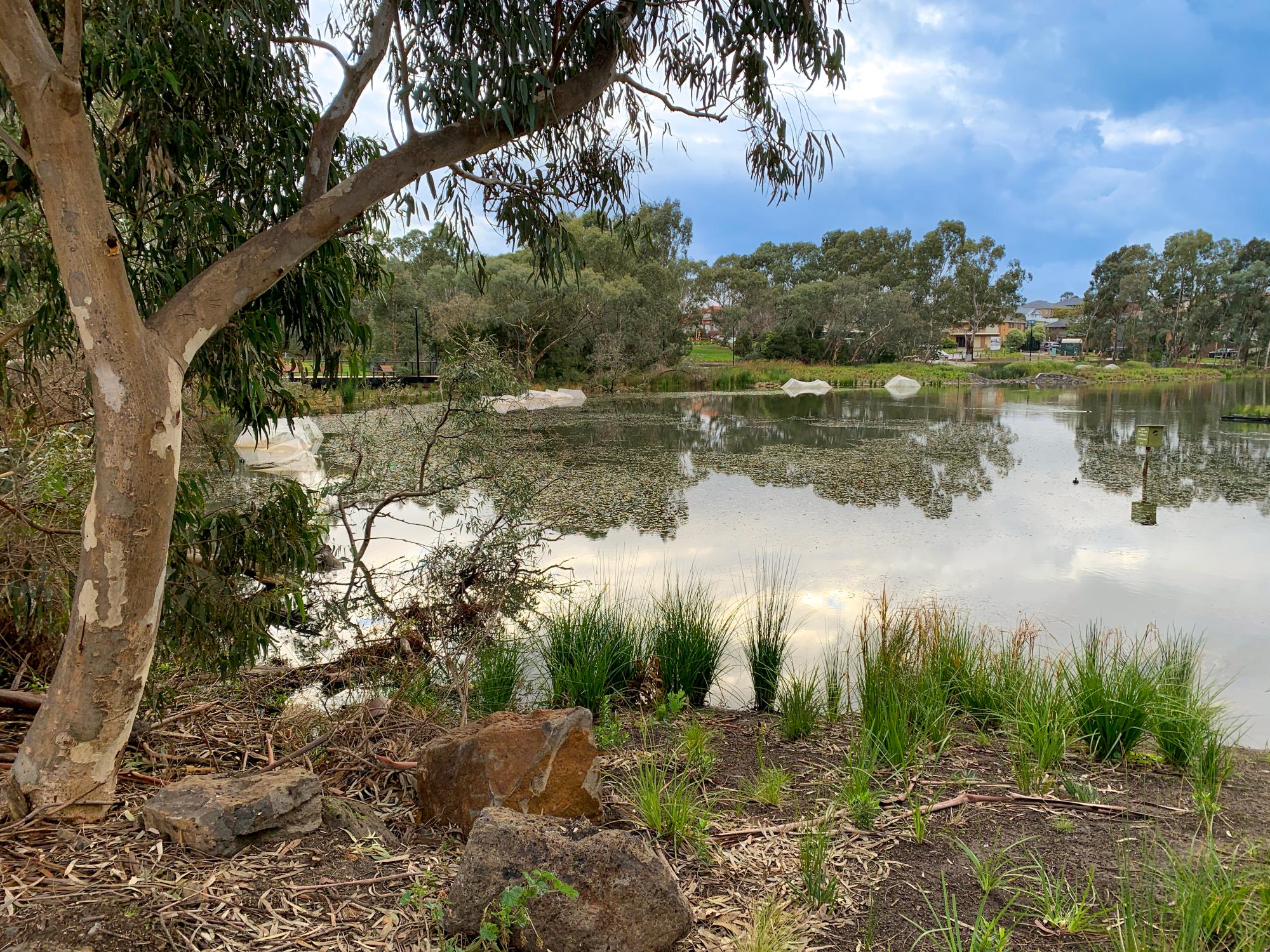
The Peter Hopper Lake Revitalisation project was a coordinated effort by multiple stakeholders to restore environmental health and public amenity to the water body in Melbourne’s northern suburbs.
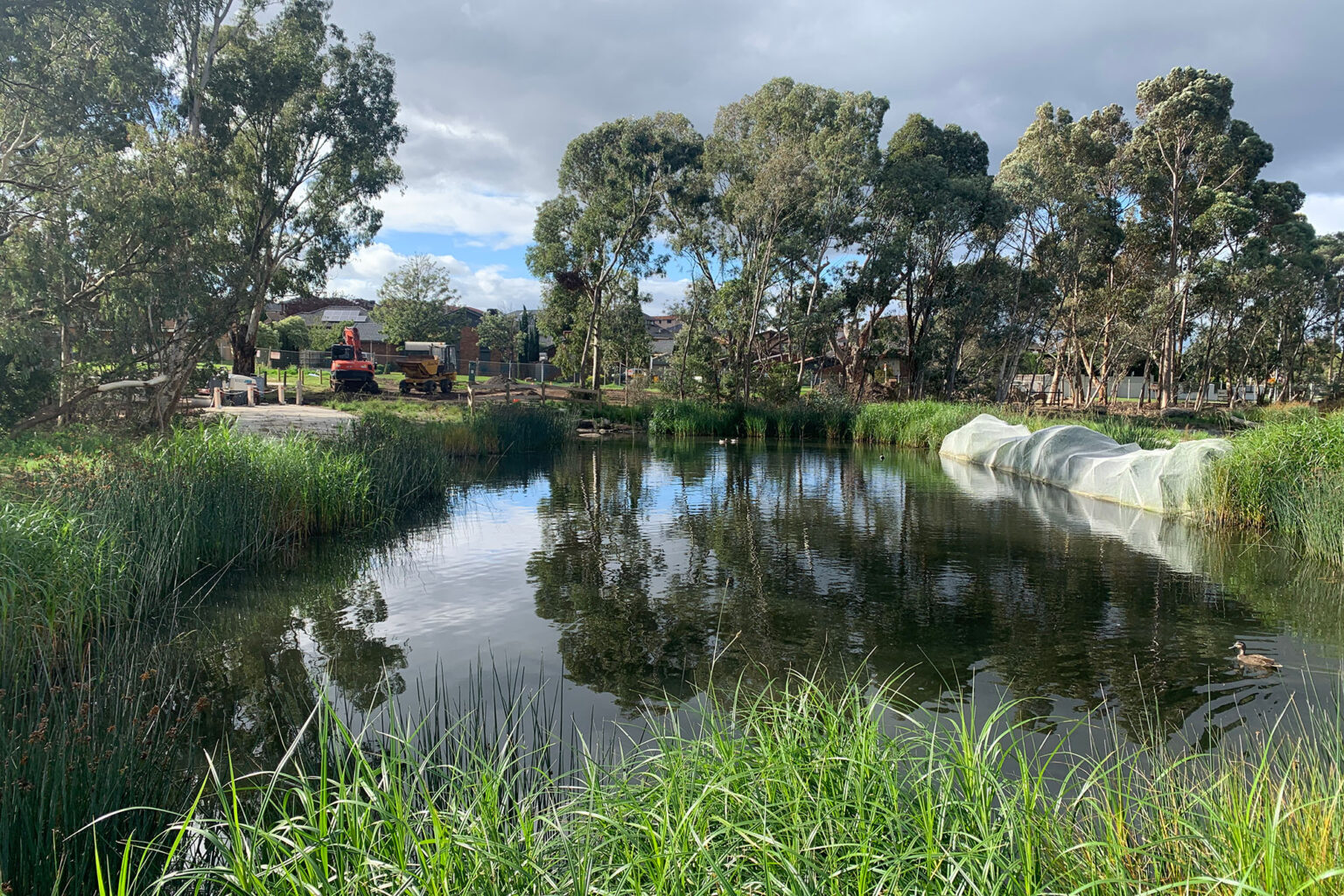
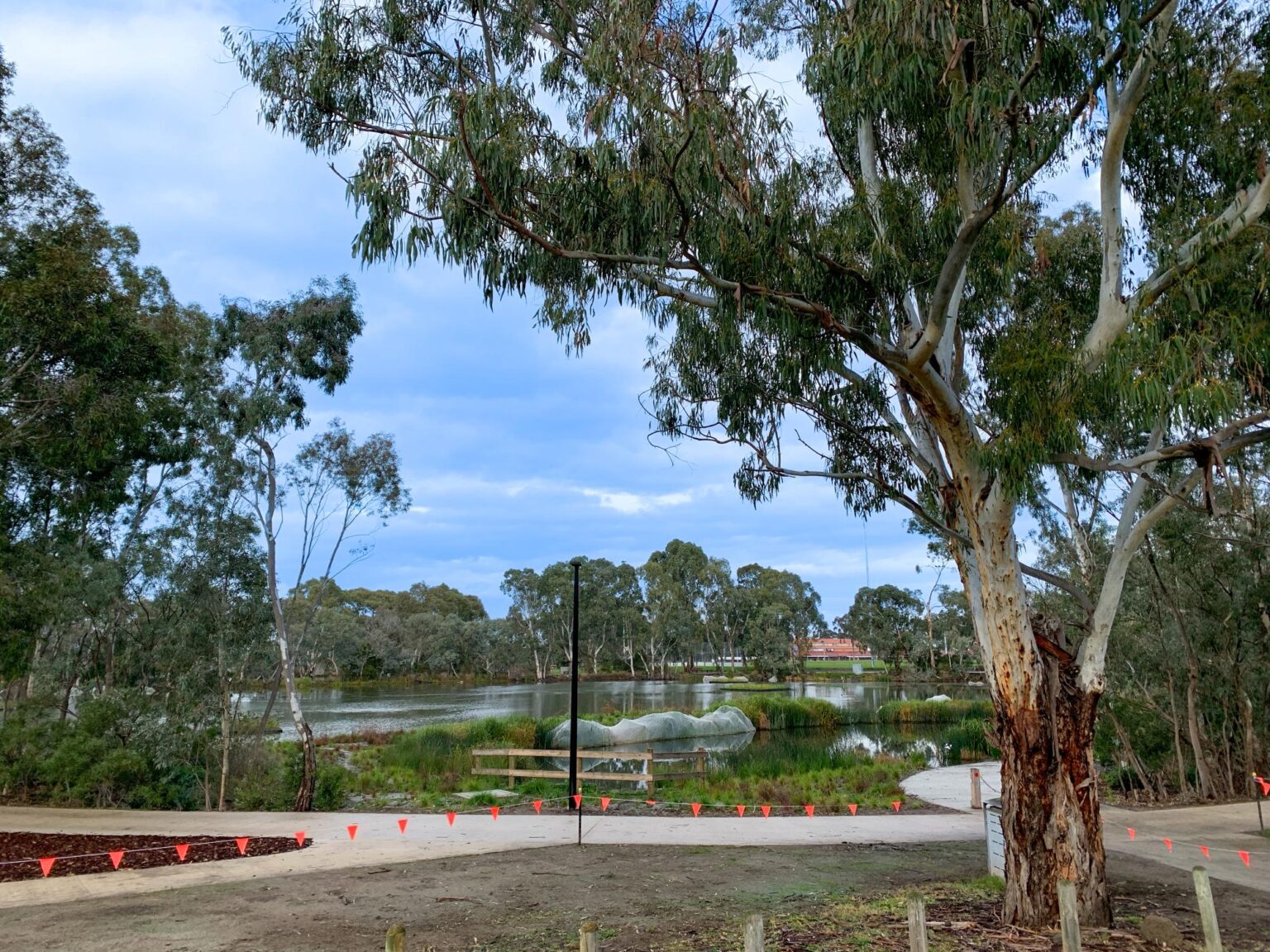
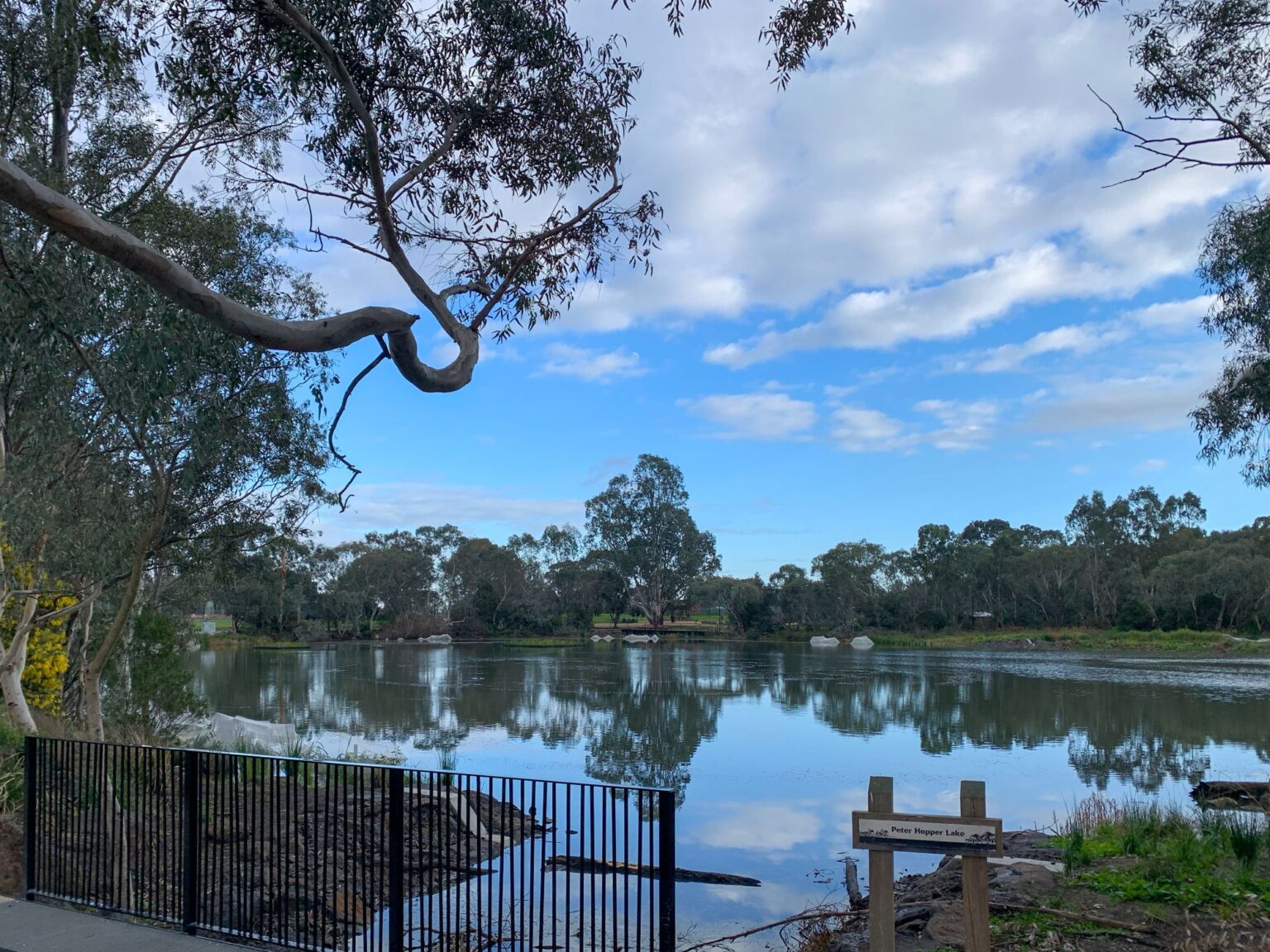
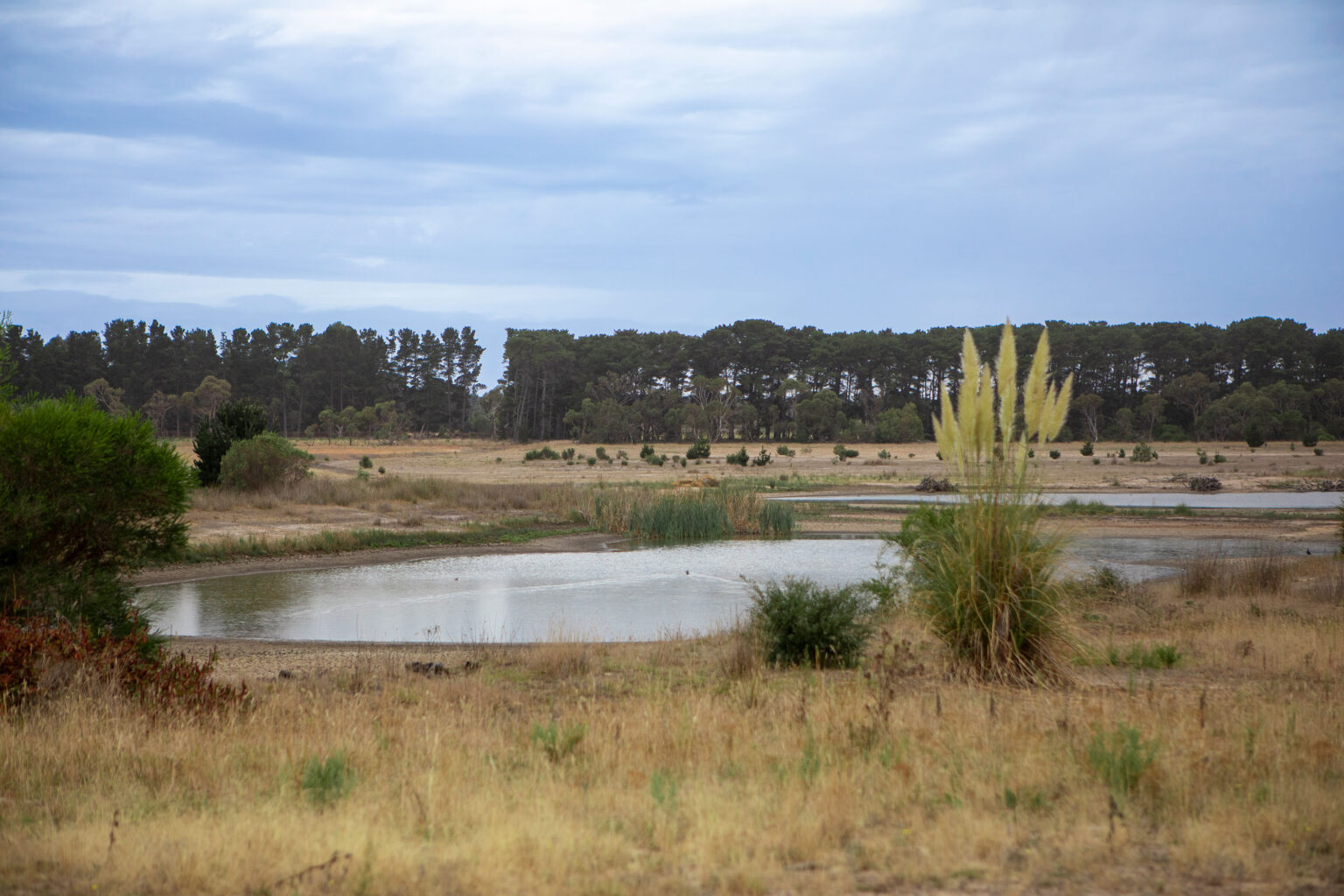
Spiire’s Water Engineering and Landscape Architecture teams were engaged by the City of Whittlesea (Council) to support its initiative to revitalise Peter Hopper Lake, located within the Redleap Recreation Reserve precinct in Mill Park.
Originally a farm dam prior to the area’s urbanisation in the 1970s, it then became an ornamental lake surrounded by residential development.
Due to insufficient flows from the disproportionately small 25-hectare urban catchment, and the untreated nature of the water source originating from
residential stormwater, the lake’s water quality declined over time as it accumulated high levels of sediment and nutrient pollution. The lake was eventually fenced off from the community, removing a critical green space.
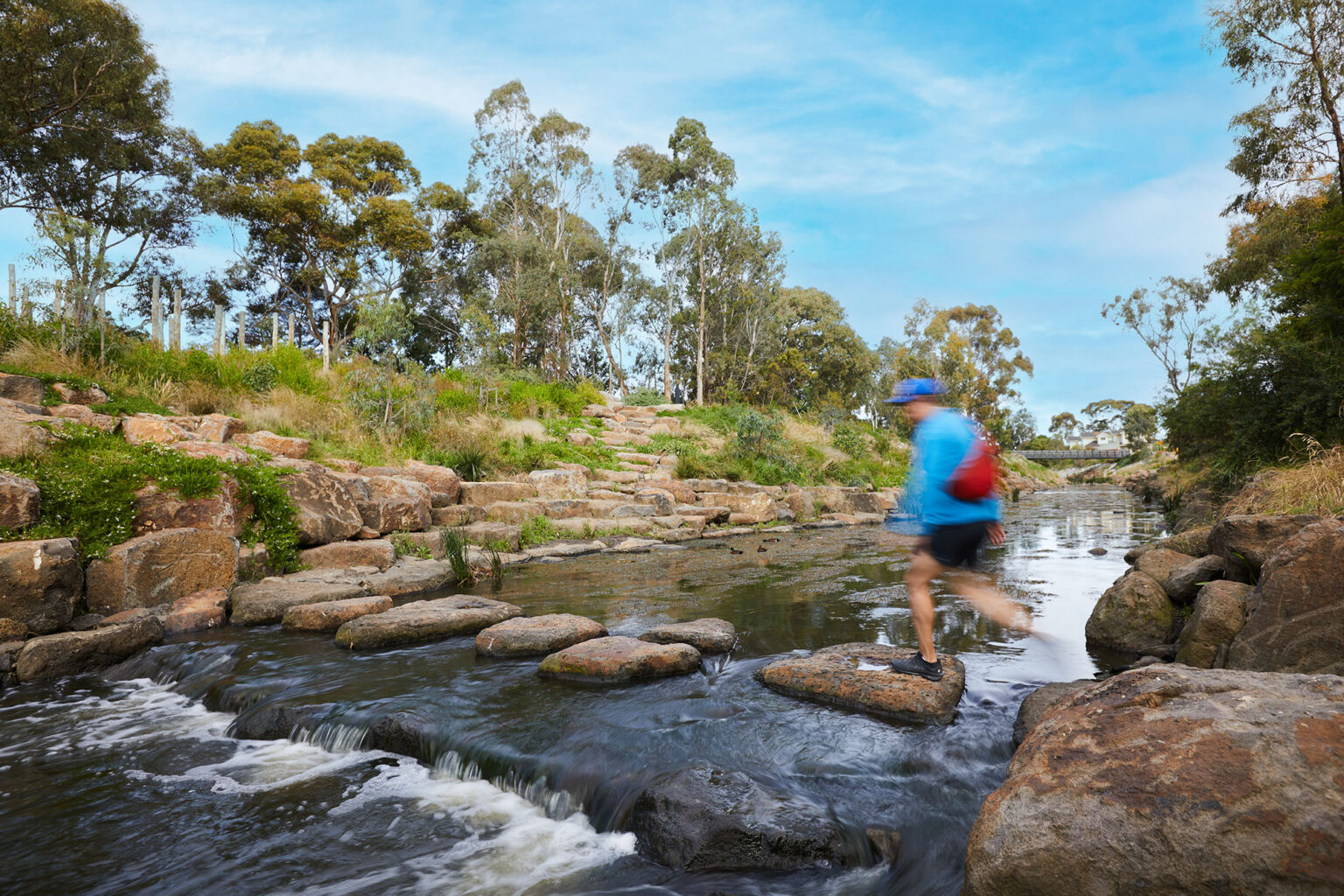
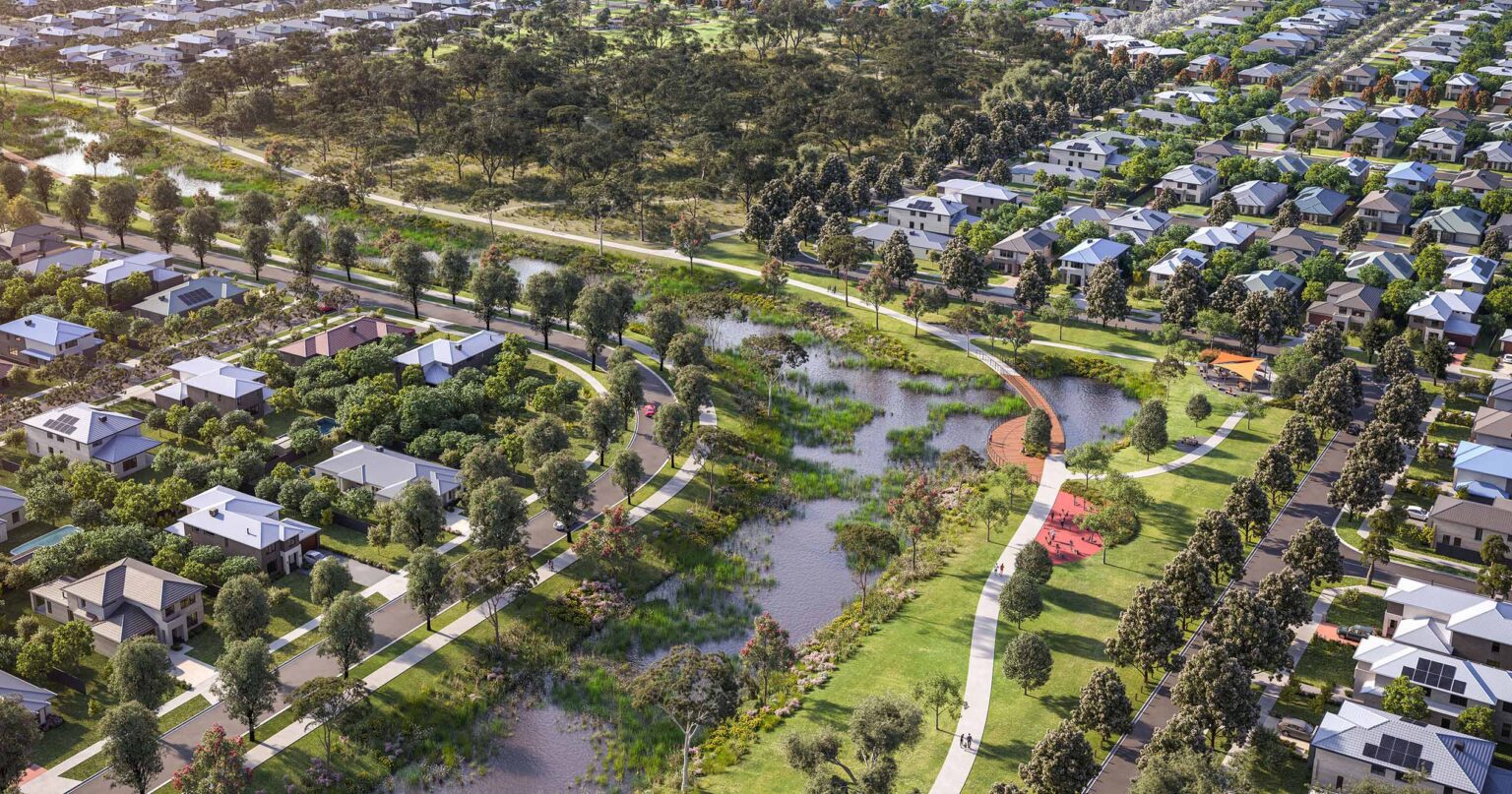
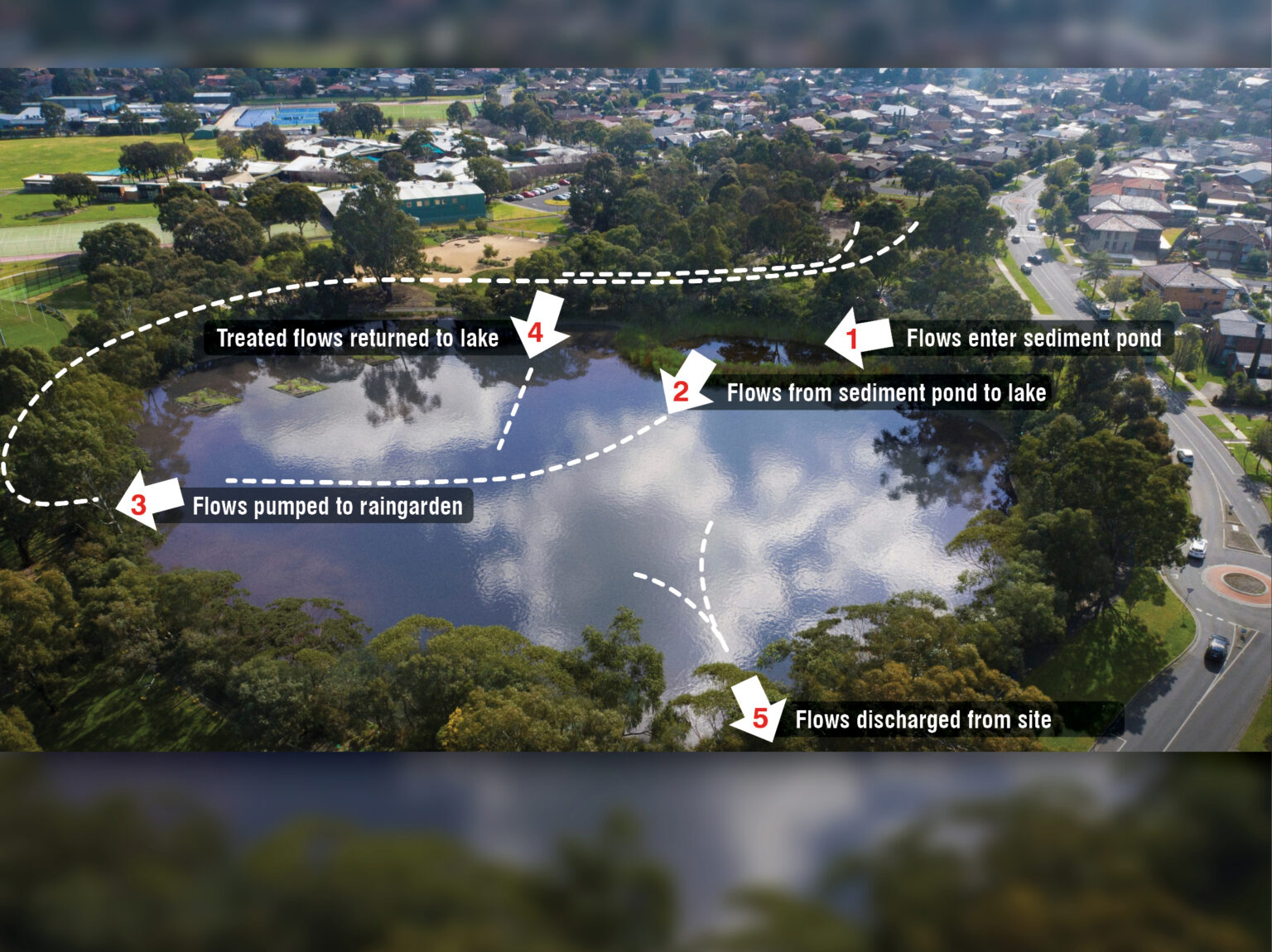
This rehabilitation project sought to create a healthier lake environment by removing the nutrient-laden sediments and introducing a staged purification system, with a focus on sustainably improving its ecology and restoring community value.
Holistic design approach
The first stage of this project explored a range of potential solutions to revitalise the lake, considering efficient methods for improving the water quality while also understanding the lake’s broader community value.
The joint perspective of Spiire’s Water Engineering and Landscape Architecture teams underpinned a comprehensive assessment of the existing conditions and feasibility, guided by Council’s environmental and engineering advice.
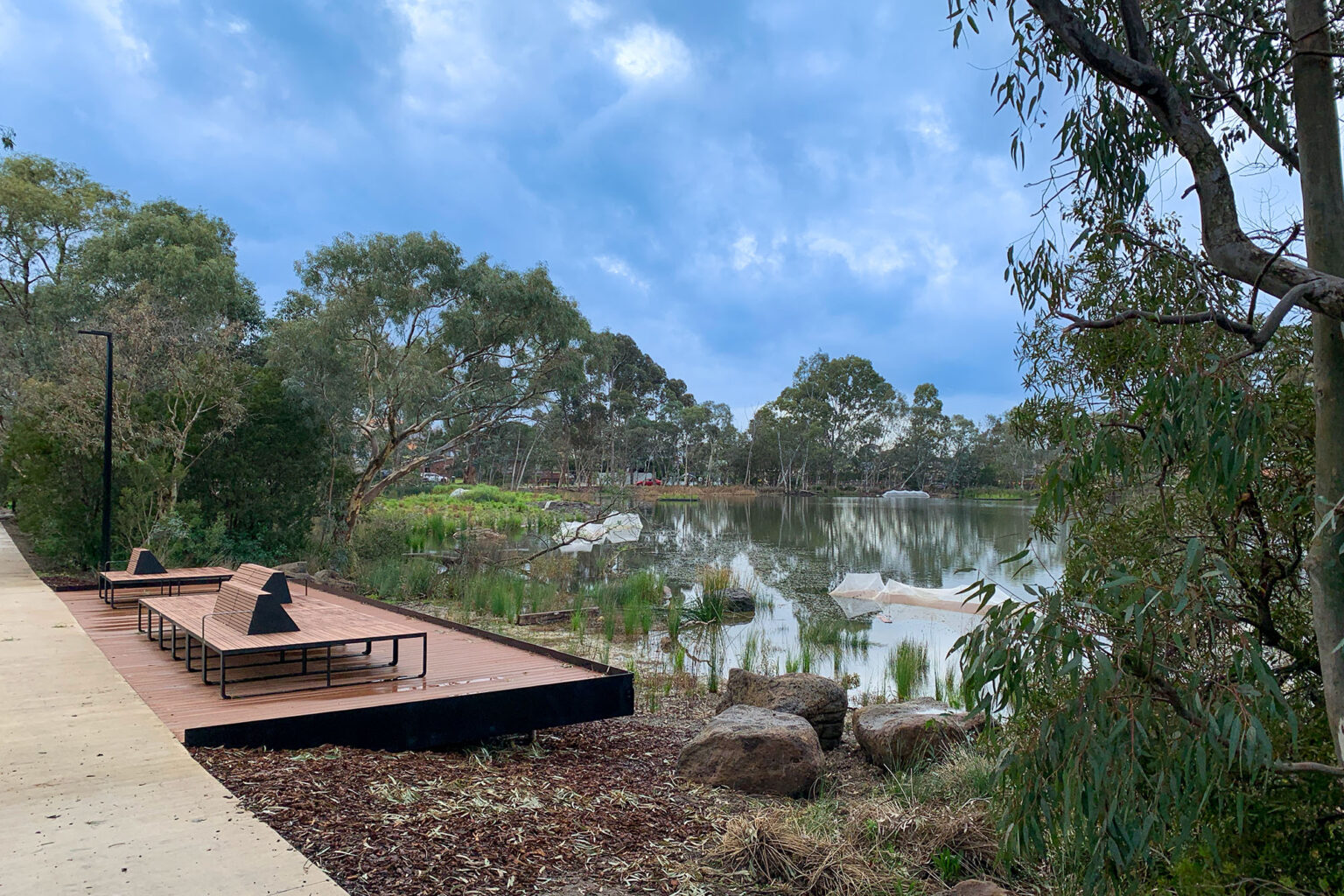
Our landscape architects’ perspective highlighted the lake’s contribution to neighbourhood character, such as its visual amenity appearing to float alongside Redleap Avenue, and preserving open water of the lake and its connection to the surrounding landscape.
Placement of the raingarden to provide reticulated treatment of the lake’s water and maintaining an open lawn for informal recreation near the adjacent playground were important to the overall design.
Strong community interest was a driving factor in the design process. Extensive community consultation was integral to ensure alignment with local priorities and ecological requirements. This approach focused on both restoring the lake’s current condition and implementing strategies to safeguard its value and functionality for future generations.
An award-winning project
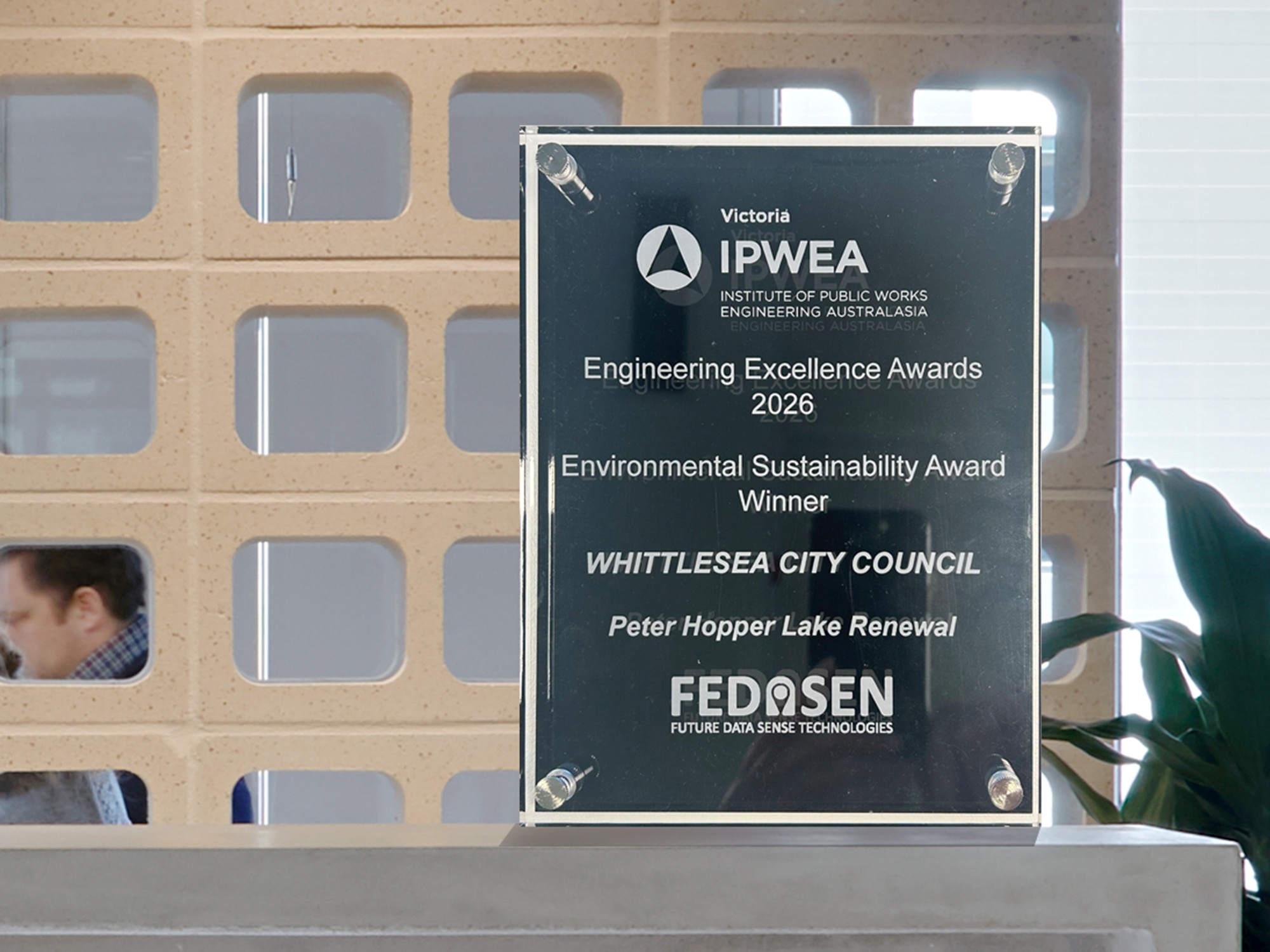
We’re proud the project was recognised with the Environmental Sustainability Award at the Institute of Public Works Engineering Australasia (IPWEA) Victoria Excellence Awards in 2026.